

Why Hire an Interior Designer Instead of ChatGPT for Your Home
AI can suggest a paint colour in seconds. It can list sofa styles, explain lighting layers, and produce a neat shopping list before the kettle has boiled. That is useful. But a home is not a prompt.
A real home has awkward corners, morning routines, muddy shoes by the door, children who build dens in the sitting room, pets who shed on velvet, and light that changes by the hour. Good interiors come from noticing all of that. They come from human judgement, creative instinct, and the sort of detail that is hard to type into a chat box.
ChatGPT can help you start thinking. An interior designer can help you get it right.

AI can give ideas, but it cannot visit your home
The biggest difference is simple: an interior designer can stand in the room.
That sounds obvious, but it matters. A designer sees where the natural light falls in the morning. They notice the ceiling height, the view from each doorway, the radiator that limits furniture placement, the draught near the front door, and the way one room connects to the next.
Photos rarely show the full truth. A floor plan helps, but it misses atmosphere. Measurements matter, but so does proportion. That tiny alcove might become beautiful shelving. That “dead space” near the stairs might become the best storage in the house. A designer spots opportunities because they are physically there.
AI only knows what you tell it. If you forget to mention that the kitchen faces north, the hallway is narrow, or the dog sleeps beside the sofa, the advice will not reflect those facts. To get the same level of understanding, you would need to feed it a huge amount of information, and even then, it would still be guessing from a distance.
Your home is about how you live, not just how it looks
An attractive room that does not work for daily life soon becomes frustrating.
A designer asks questions that go beyond style:
Who uses this room most?
Where does clutter build up?
Do you host often, or prefer quiet evenings?
Do you need child-friendly fabrics?
Are you planning to move, extend, or stay long term?
Which pieces do you already own and love?
These answers shape the design. A family sitting room needs different choices from a formal snug. A kitchen for someone who cooks every night needs different storage from one used mainly at weekends. A bedroom for shift workers needs serious window treatments, not just pretty curtains.
Good design listens before it suggests. That is where the human brain still has real value. Designers read tone, habits, hesitation, excitement, and emotion. They can tell when someone says they want a minimalist home but actually needs warmth, storage, and comfort.
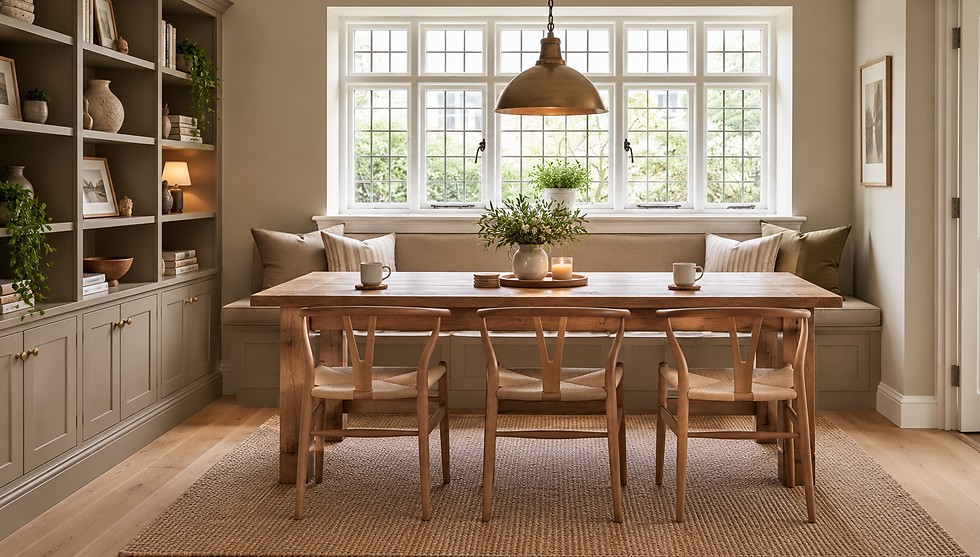
Touching samples changes everything
Screens flatten materials. A boucle chair, a linen curtain, a wool rug, and a limewash wall all look different online than they do in your hand.
Interior designers bring samples so you can touch, compare, and test. That tactile stage is not a luxury. It prevents expensive mistakes. A fabric might look beautiful but feel scratchy. A paint colour might appear warm online but turn cold in a north-facing room. A stone sample might have more movement than expected. A timber floor might clash with existing furniture.
When you see materials in your own home, under your own light, decisions become clearer.
There is also confidence in being guided through the options. Most people do not need hundreds of tile choices. They need the right three or four, chosen with care. A designer edits the noise, explains the trade-offs, and helps you choose finishes that will last.
Creativity is not just generating options
AI is impressive because it can produce many ideas quickly. But creativity is not only about quantity. It is about taste, restraint, and knowing when to stop.
A designer can create a room that feels personal rather than copied. They may combine an inherited chair with new upholstery, choose a paint colour that flatters old floorboards, or commission joinery that solves a specific storage problem. They can balance trends with longevity.
That matters because homes should not all start to look the same. If everyone asks AI for “a warm modern living room with neutral tones”, the answers begin to blur. Similar sofas. Similar rugs. Similar wall art. Similar shelving.
Human designers protect individuality. They bring references, experience, curiosity, and taste, but they also respond to the person in front of them. That human spark is the part worth defending.

A designer saves time because they know what to ask
Using AI well takes time. You need to explain the room size, style preferences, budget, family needs, light direction, existing furniture, storage issues, flooring, heating, window positions, and practical problems. Then you need to check whether the answers make sense.
That can be fun at the ideas stage. It becomes harder when you need to make real purchases.
An interior designer already knows the questions to ask. They can spot missing information, warn against poor choices, and guide the order of decisions. For example, they will not choose cushions before the layout works. They will not pick a pendant light without checking ceiling height. They will not suggest pale delicate fabric for a high-traffic family room unless it suits the way the home is used.
A designer also helps avoid the slow drip of costly mistakes:
Furniture that is too large for the room
Paint that looks wrong in real light
Curtains measured incorrectly
Flooring chosen without considering wear
Lighting that creates shadows in the wrong places
Storage that looks good but does not hold enough
Hiring a designer is not only about taste. It is about reducing guesswork.
ChatGPT still has a place in the process
This is not a call to throw technology away. AI can be a helpful tool when used in the right way. It can help gather vocabulary, compare broad styles, create a checklist, or organise thoughts before speaking to a designer.
The problem starts when AI replaces the expert rather than supporting the process.
Think of it like looking up symptoms online. The information may be useful, but it does not replace a trained professional who can assess the full picture. Interior design works in a similar way. Context changes everything.
A sensible approach is to use AI for early exploration, then bring in a designer when decisions need to become real, measured, ordered, and lived with.
The real value is human understanding
AI is moving quickly, and that can feel unsettling. It is fair to worry about what gets lost when we hand too much over to machines. Homes are one area where human skill still matters deeply.
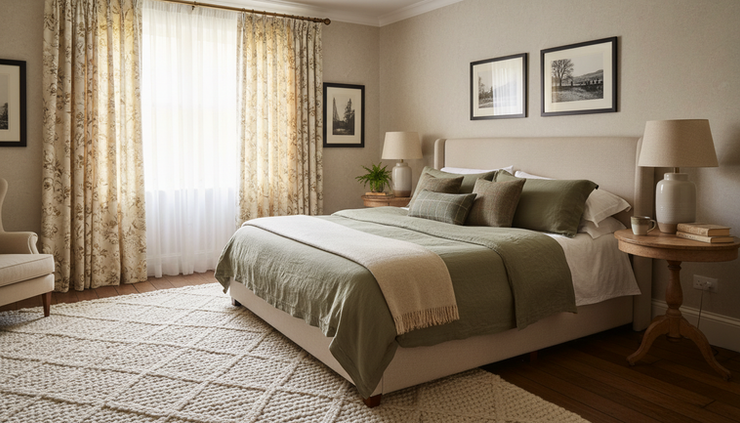
An interior designer brings creativity, empathy, practical experience, and a trained eye into your actual space. They touch the fabrics, test the colours, measure the awkward corners, and learn how the household really lives. They turn vague ideas into rooms that work.
ChatGPT can give you suggestions. A designer can give you a home that feels like yours.


Comments